
Energy Alberta has shared the feedback it’s received from its Community Engagement Sessions held this past September on the proposed Peace River Nuclear Power Project.
Four sessions took place in Peace River, Weberville, Grimshaw and Manning, drawing more than 250 residents, business owners and community leaders. The sessions were designed to provide information about the project while gathering local feedback to help guide future planning and regulatory steps.
Each meeting included presentations from subject matter experts covering nuclear safety and fundamentals, site selection, community impacts, environmental effects, and jobs, procurement and training opportunities. Presentations were followed by open discussions and question-and-answer periods. Participants were also invited to provide written comments through discussion boards, allowing multiple ways to take part in the conversation.
According to Energy Alberta, the feedback gathered during the sessions is already helping shape the next phase of the project. Community input will be used to inform the Tailored Impact Statement Guidelines, a key step in the federal impact assessment process. The guidelines outline the studies Energy Alberta must complete as part of its Impact Statement, and the feedback will be shared with the Impact Assessment Agency of Canada to ensure regional priorities are reflected.
Across all four sessions, safety emerged as a central theme. Residents expressed a strong desire for clear, accessible information about how modern nuclear reactors operate, including safety systems, radiation monitoring, waste storage and long-term stewardship. Participants also asked how nuclear facilities perform in cold climates and how Canada’s regulatory system ensures transparency and oversight.
Site selection was another major topic of discussion. Residents want greater clarity on why potential sites were chosen and how factors such as seismic conditions, groundwater pathways, riverbank stability, agriculture, wildlife habitat and proximity to homes will be assessed. Many emphasized that siting decisions should reflect community values and Indigenous land use and knowledge.
Community impacts were also top of mind. Participants stressed the importance of protecting the quality of life in the Peace Region, particularly as communities already face challenges related to housing, healthcare, education, trades and transportation. While concerns were raised about the strain rapid growth could place on services, some residents also noted potential opportunities for economic growth and improved infrastructure if development is managed carefully and in partnership with local governments.
Environmental protection was one of the most consistent themes throughout the sessions. Residents highlighted the need to safeguard the Peace River and surrounding ecosystems, with questions raised about long-term water availability, cumulative effects from upstream dams, and how water use could impact river levels, temperature and local weather conditions. Climate change considerations, including drought, wildfire smoke and extreme weather, were also identified as key factors that should be fully integrated into the environmental assessment.
There was strong interest in ensuring economic benefits remain in the region. Participants emphasized the importance of local hiring, regional procurement, and early communication about contracting opportunities. Many called for investments in training, scholarships and partnerships with local and Indigenous educational organizations, as well as efforts to reduce reliance on fly-in, fly-out labour in favour of long-term careers for local residents.
Energy Alberta says it remains committed to ongoing communication and collaboration with Indigenous Nations, municipal leaders, businesses, service providers and residents as the project moves forward. Further engagement opportunities are expected in the coming months as discussions continue across the Peace Region.
Community Priorities – Chart From Energy Alberta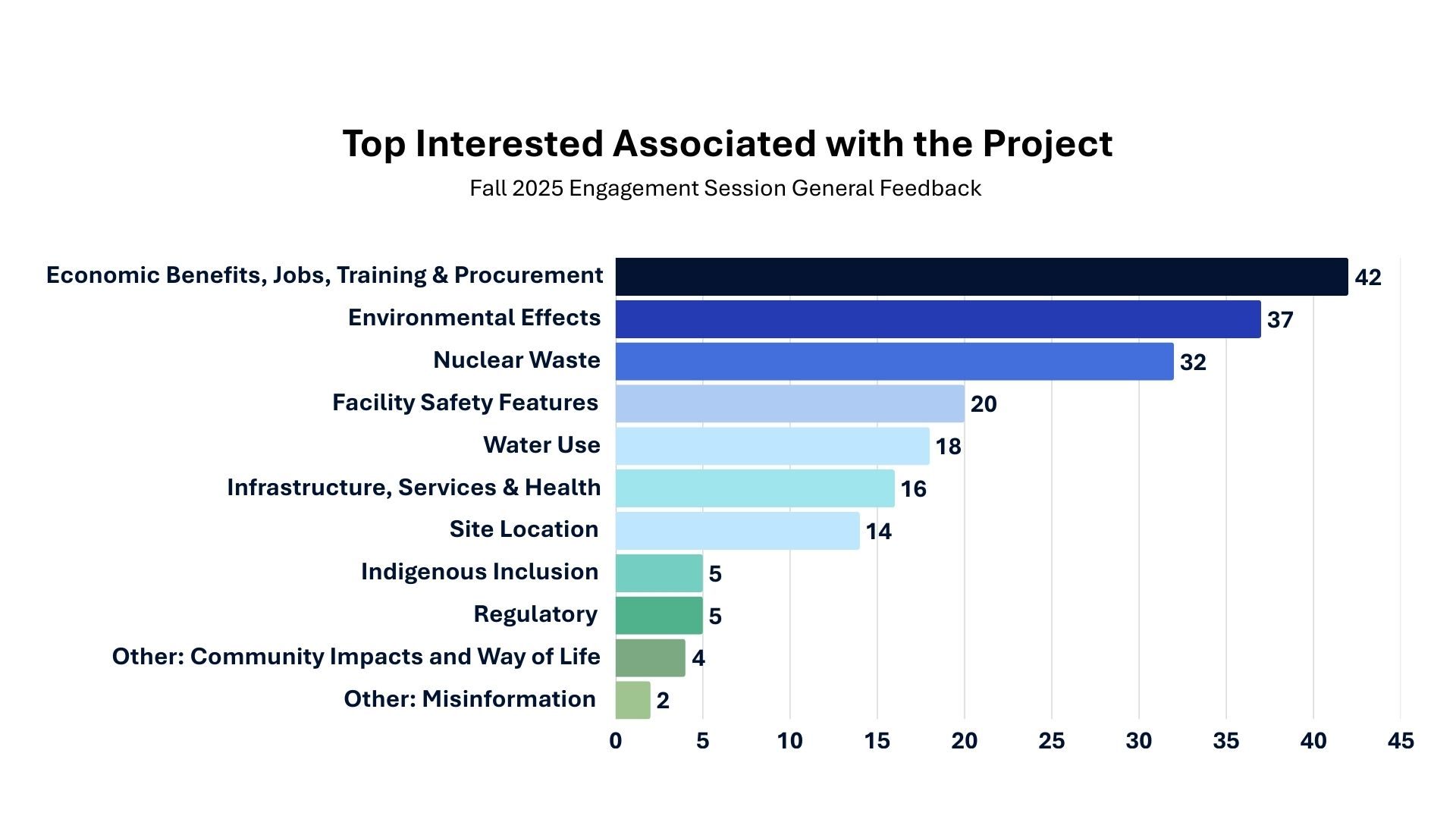
Trending 55 Newsroom